
History of the SHARC Backcountry Management Team
When most people think about trails, they picture a scenic hike, a mountain bike ride, or a quiet walk through the woods. What often goes unseen is the work required to keep those experiences possible. Trails require constant maintenance, emergency incidents require trained responders, and healthy forests depend on active stewardship.
In the Snowshoe Highlands of West Virginia, those needs inspired a new approach.
The SHARC Backcountry Management Team was built on a simple idea: the same people who care for the region's trails can also help care for its communities and landscapes. By combining trail maintenance, backcountry rescue capabilities, and wildfire stewardship into a single workforce model, SHARC has created a unique program that serves both recreation and resilience throughout the region.
As trail systems expanded and visitation increased, so did the need for stewardship. Volunteers and local organizations worked tirelessly to maintain trails, improve access, and connect communities through recreation. These efforts were supported by grants, partnerships, and countless hours of volunteer labor.
During this period, one challenge became increasingly apparent. While the region's outdoor recreation assets continued to grow, there was no local workforce specifically trained to address the overlapping needs of trail maintenance, emergency response, and wildfire management.
The landscape demanded a different solution.
The result was a model that maximized workforce capacity while creating meaningful career pathways in a rural community.
Over the next two years, SHARC began testing this approach through collaborative projects and training opportunities. Crew members worked alongside public land managers, emergency responders, and fire professionals while continuing to build and maintain recreational infrastructure throughout the Snowshoe Highlands.
From Concept to Crew
By 2024, the SHARC Backcountry Management Team had evolved from an idea into an operational program.
The team's work became focused around three core areas:
Trail Operations
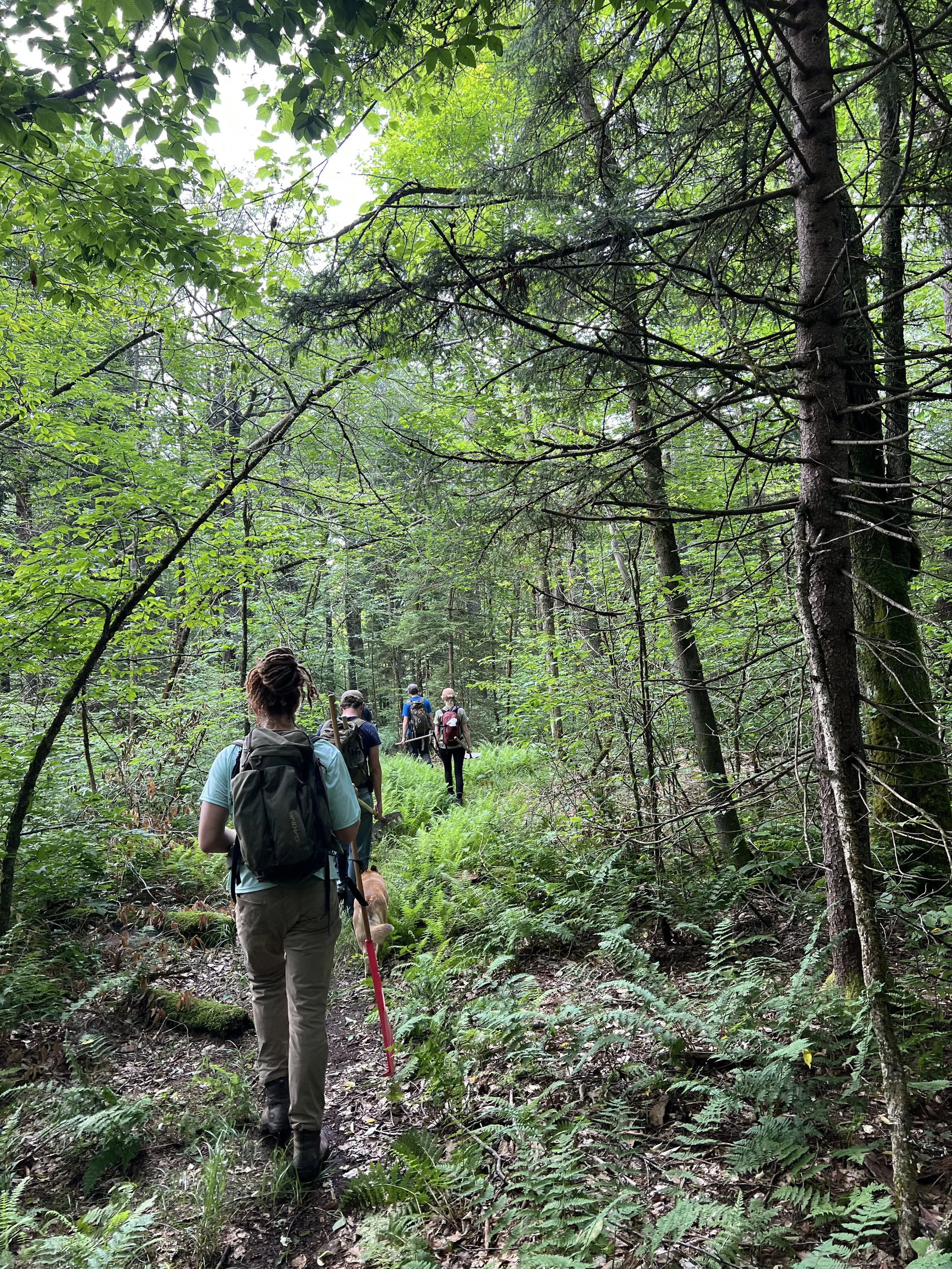
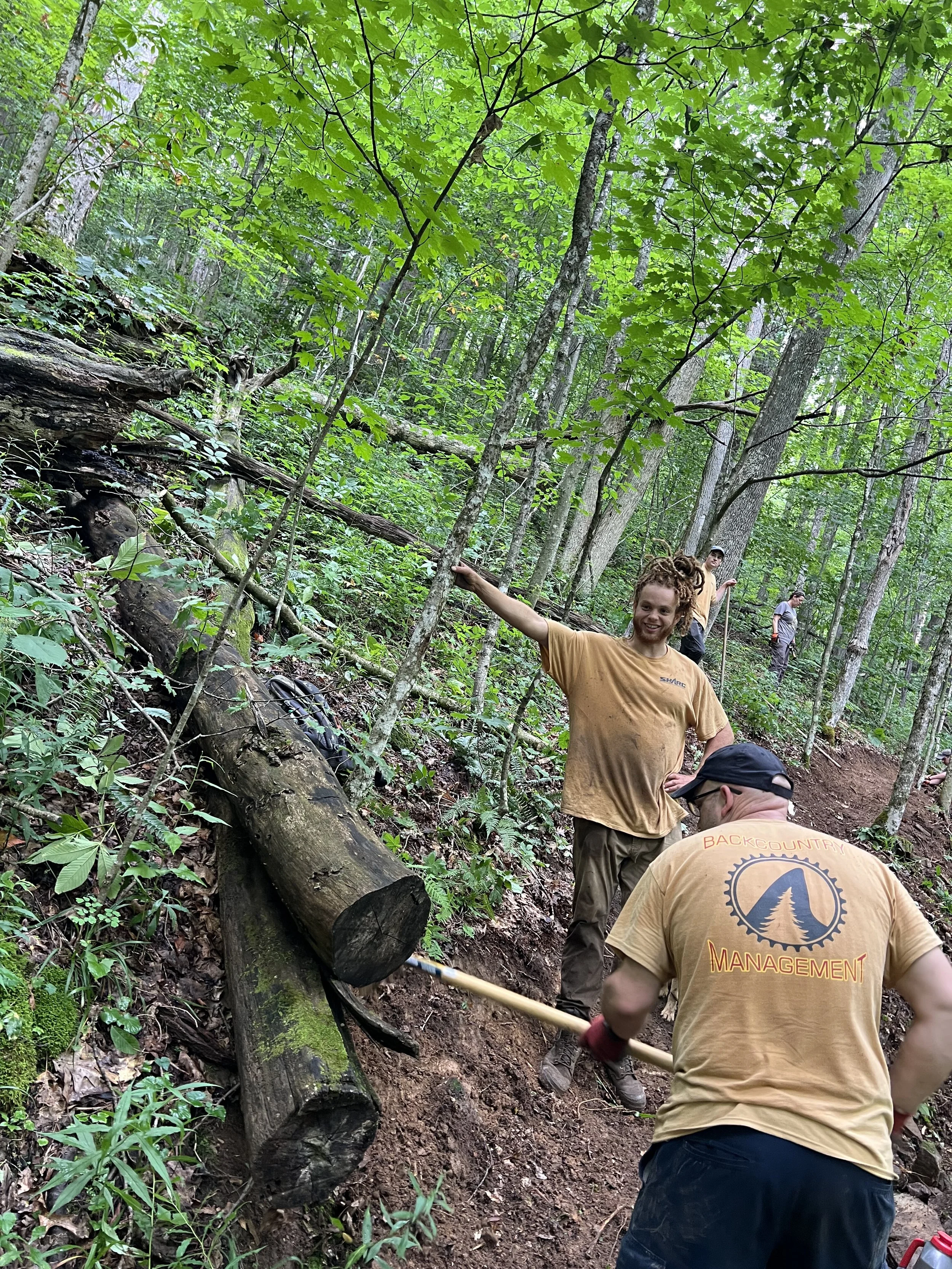
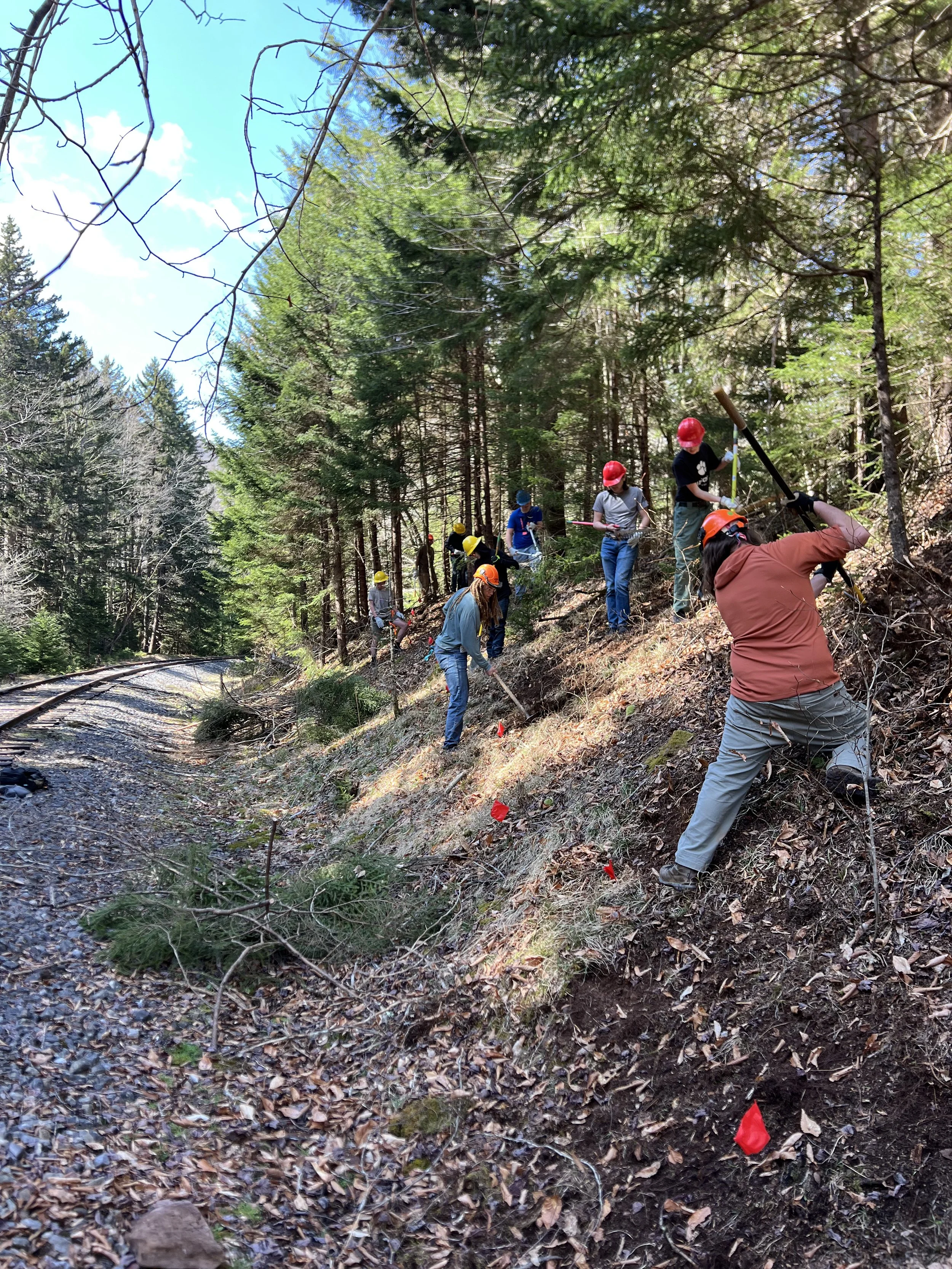
The foundation of the program remains trail stewardship. Crew members maintain and improve trail systems across public and private lands, ensuring that residents and visitors can safely enjoy the outdoor opportunities that define the Snowshoe Highlands.
From tread repairs and drainage improvements to signage installation and infrastructure projects, this work helps protect both recreational experiences and natural resources.
Looking Ahead
Today, the SHARC Backcountry Management Team supports stewardship efforts across approximately 450 miles of trail and tens of thousands of acres of public land throughout the Snowshoe Highlands region.
What began as a conversation about trails has evolved into a broader vision for community resilience, workforce development, and land stewardship.
Building the Foundation
The story begins in 2019, when partners across Pocahontas County began working together to strengthen the region's growing outdoor recreation economy.
Organizations including the Monongahela National Forest, Pocahontas County Convention and Visitors Bureau, Snowshoe Mountain Resort, and numerous community partners recognized that the Snowshoe Highlands possessed something special: hundreds of miles of public trails, vast stretches of public land, and world-class outdoor recreation opportunities.
A New Model Takes Shape
By 2022, SHARC began developing what would become the Backcountry Management Model.
Rather than treating trail work, emergency response, and wildfire operations as separate disciplines, SHARC envisioned a cross-trained team capable of supporting all three.
The concept was practical. Trail crews already worked in remote terrain and possessed many of the skills necessary for backcountry operations. With additional training, those same individuals could assist with technical rescue missions, prescribed fire activities, and wildfire response efforts.
Emergency Response Readiness
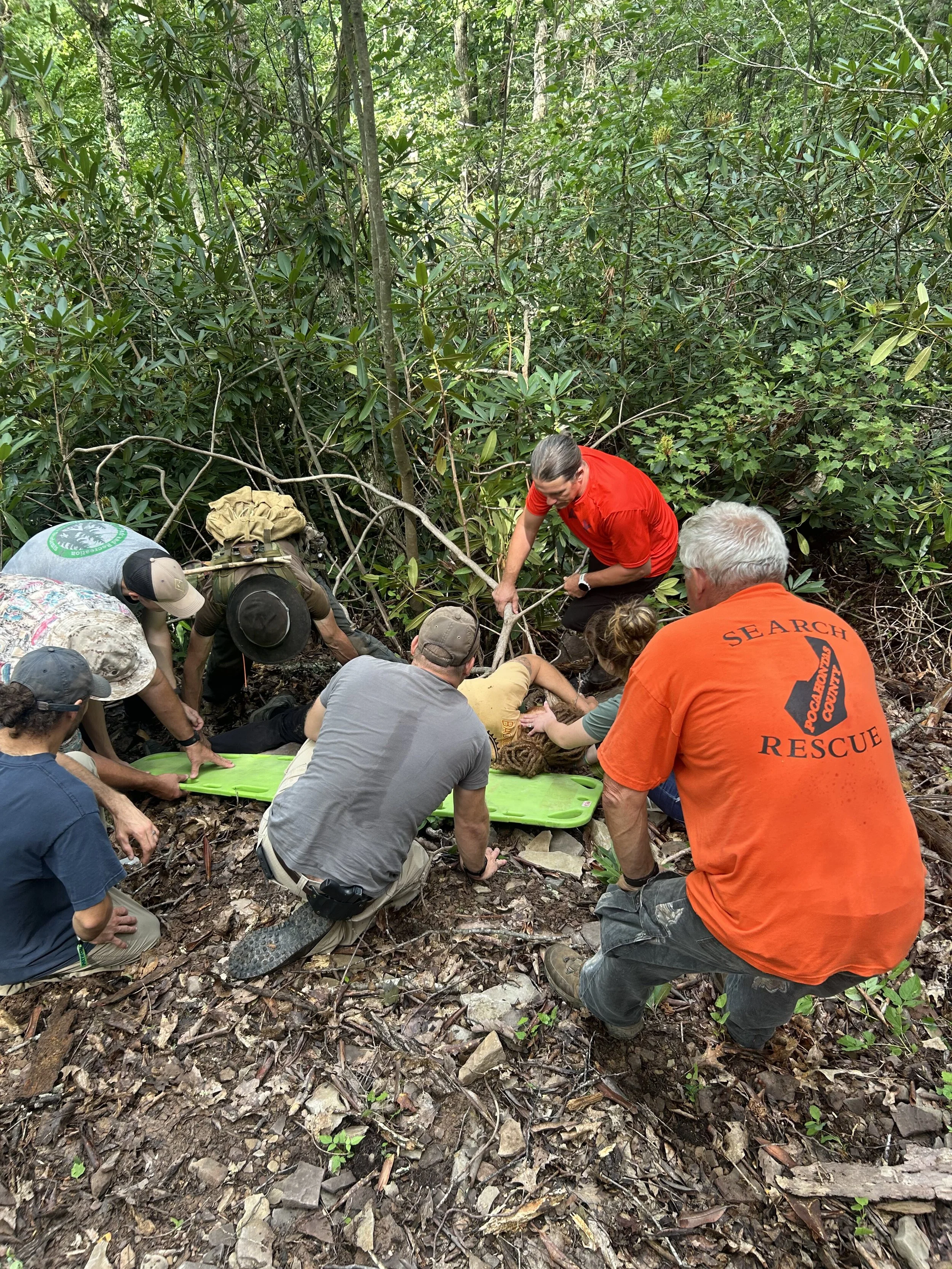
Backcountry environments often present unique challenges for emergency responders. Through specialized training and partnerships, SHARC began building a workforce capable of supporting remote and technical rescue operations.
This component of the program helps improve preparedness while strengthening relationships between recreation managers and emergency service providers.
Wildfire and Prescribed Fire Support
Healthy forests require active management. As wildfire activity and fuels management needs continue to increase across the region, SHARC has worked to expand local capacity through wildfire and prescribed fire training opportunities.
Investing in the Next Generation
Perhaps the most important aspect of the Backcountry Management Team is its commitment to workforce development.
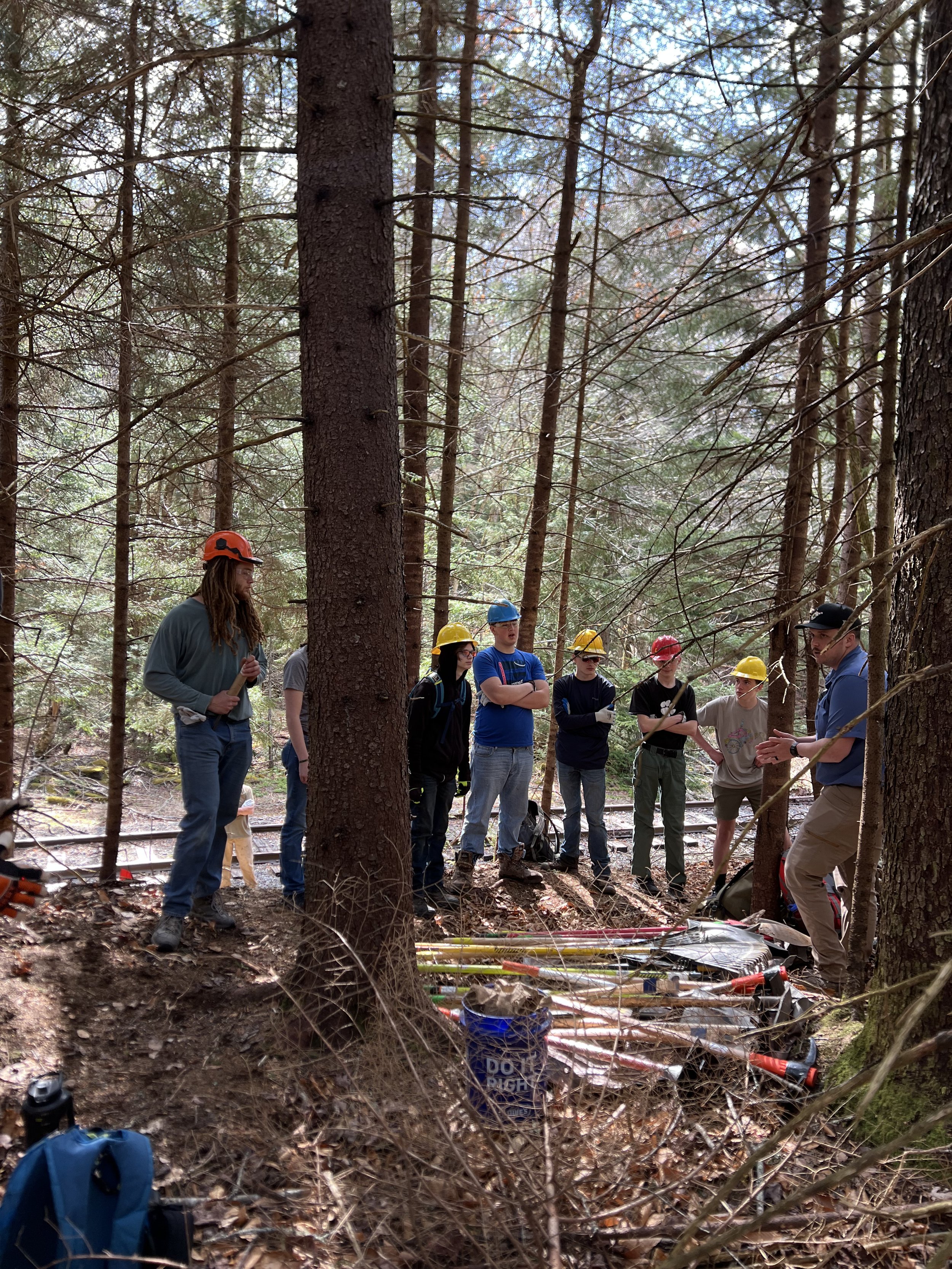
SHARC believes that outdoor recreation can serve as a pathway to meaningful careers. Through partnerships with local schools, workforce development programs, and regional training organizations, the program seeks to provide hands-on experience that prepares individuals for careers in natural resources, recreation management, emergency services, and conservation.
For many young people in rural Appalachia, these opportunities offer a chance to build skills while contributing directly to their communities.
The goal is not only to maintain trails and public lands today, but also to develop the next generation of land stewards who will care for them tomorrow.
As the program continues to grow, SHARC remains committed to building a self-sustaining Backcountry Management Corps that serves the people, landscapes, and recreational resources of West Virginia.
Because in the Snowshoe Highlands, trails are more than places to recreate. They are connections between communities, gateways to opportunity, and reminders that stewardship is an investment in the future.
The SHARC Backcountry Management Team exists to ensure that those opportunities remain available for generations to come.
Where recreation builds resilience, and stewardship builds opportunity.
