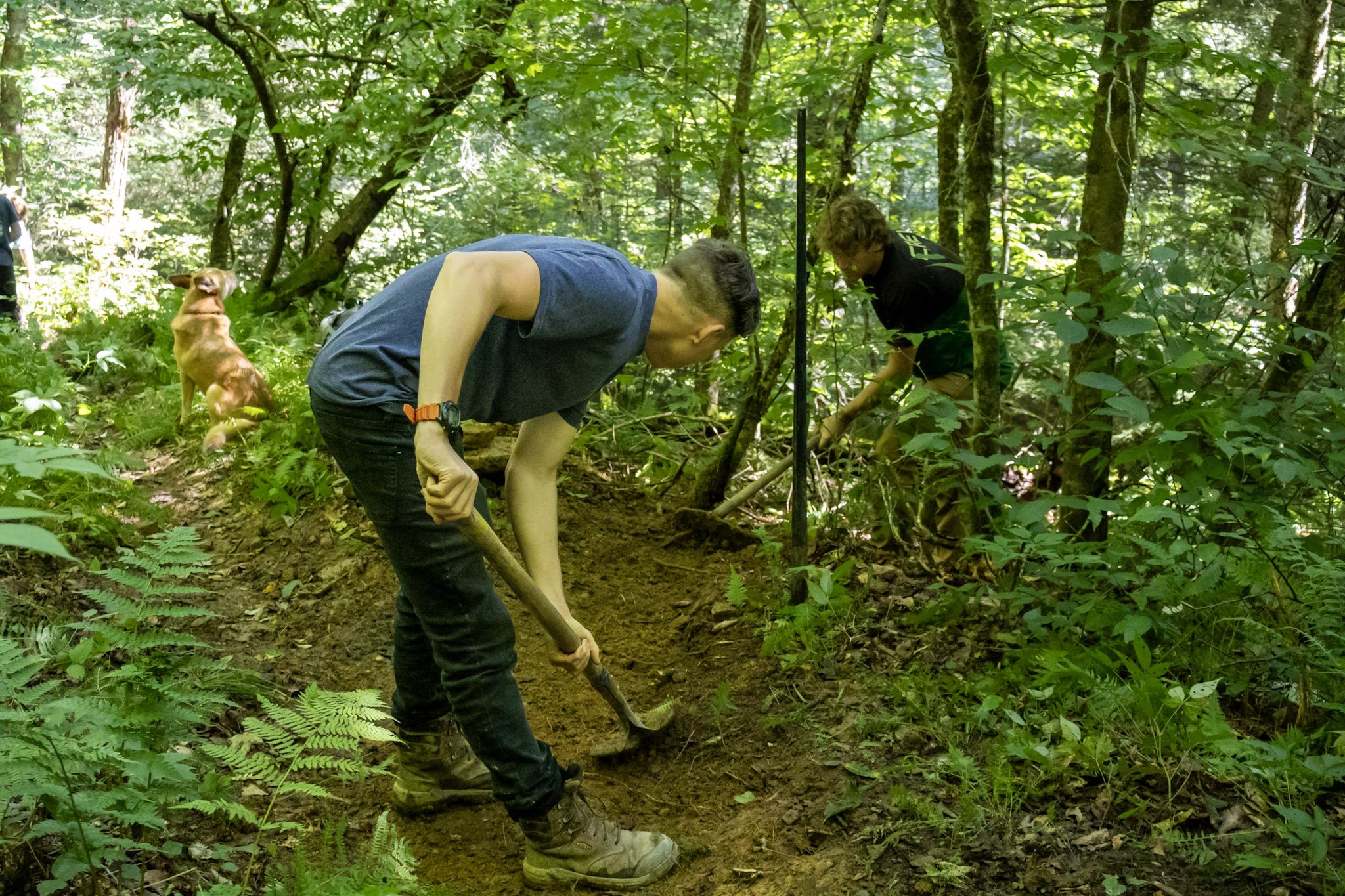
Wildland Fire & REMS Update
Wildland Fire response and REMS (Rapid Extraction Module Support) are two of the three essential pillars of SHARC Trails. While each serves a distinct purpose, the two often work hand-in-hand, with REMS teams providing support and assisting with patient extraction in hard-to-reach areas.
Throughout the 2026 season, both our Wildland Fire and REMS crews responded to incidents, putting their training and skills to work when it mattered most.
Take a look back at their work this season in the recap below.
Wildland Fire
The 2026 fire season provided SHARC personnel with opportunities to support wildfire operations both within the Appalachian region and across the country.
Early in the season, SHARC personnel supported operations on the Taylor Hollow Fire in Virginia, continuing to build experience working alongside state, federal, and local wildfire resources in the region.
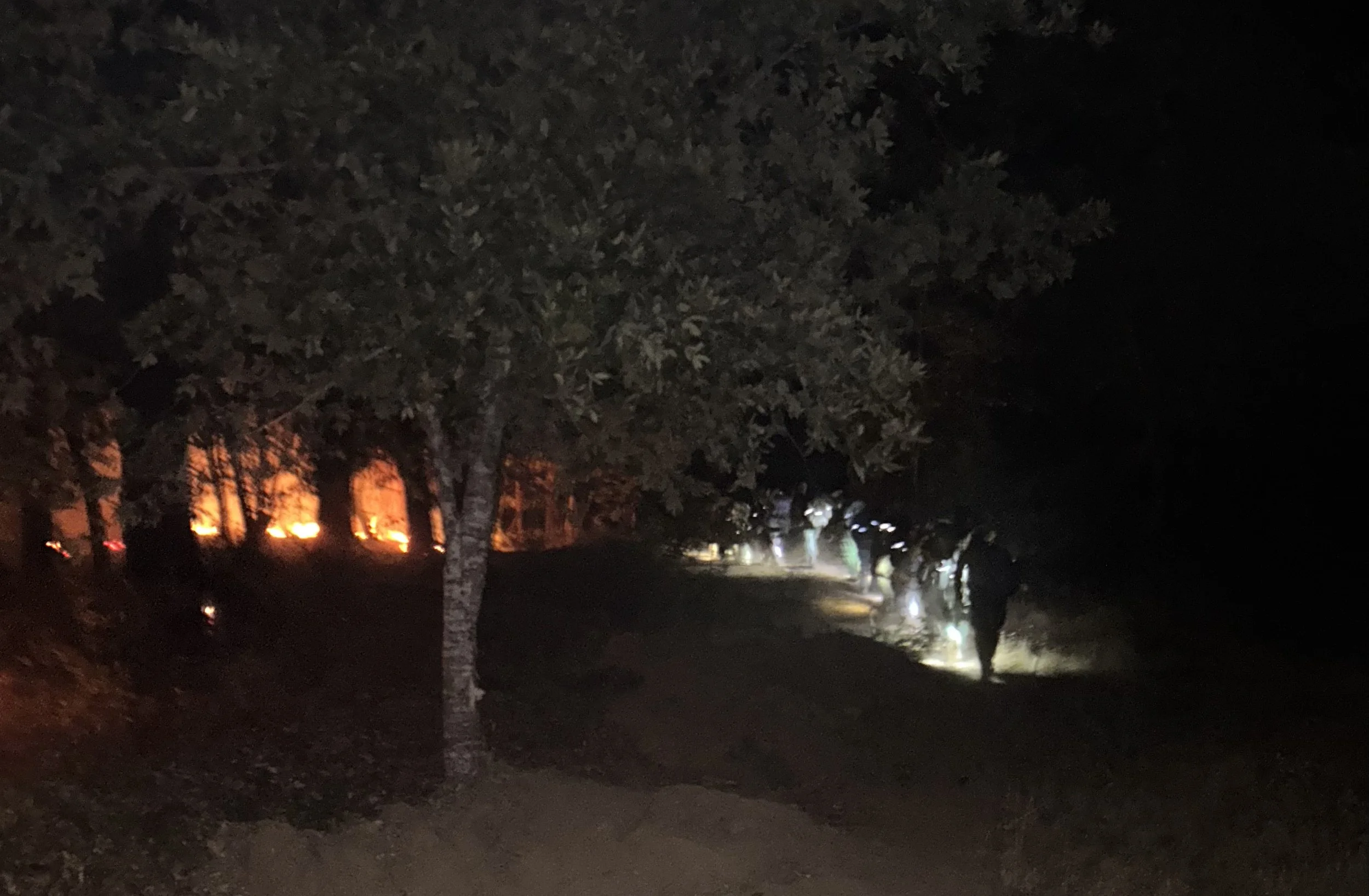
As fire activity increased nationally, members of the SHARC crew traveled to Minnesota, supporting operations on the Bear Trap and Sioux fires. These assignments provided valuable experience working in a very different fire environment while continuing to strengthen the crew's qualifications and operational experience.
Every assignment contributes to something larger than the individual incident. The experience our personnel bring home directly improves our ability to support wildfire response, prescribed fire, fuels management, and emergency operations throughout West Virginia and the surrounding region.
Rapid Extraction Module Support
2026 also marked a major expansion of SHARC's Rapid Extraction Module Support (REMS) capabilities.
REMS teams operate alongside wildland firefighters in remote and difficult terrain, providing the technical rescue capability necessary to access, stabilize, package, and extract an injured firefighter when conventional EMS access is not possible.
This summer, SHARC personnel deployed west in partnership with Alpine Emergency Services, supporting REMS operations on the Bobcat Lakes and Sand Creek incidents in Montana.
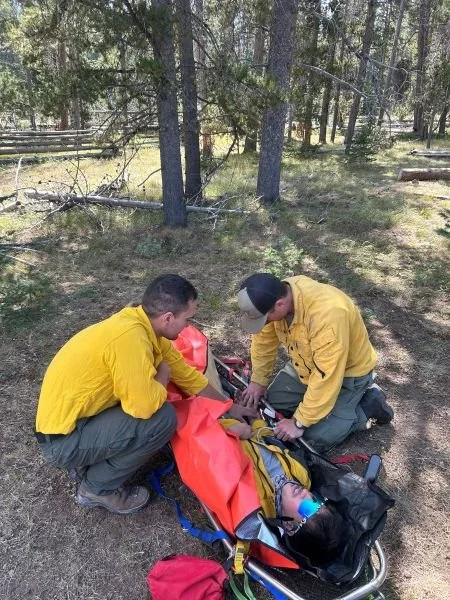
These assignments gave our personnel the opportunity to integrate technical rope rescue, remote patient movement, wildland fire operations, and backcountry logistics into a single operational platform. Those same capabilities translate directly back to the Snowshoe Highlands.
Whether the patient is a wildland firefighter, mountain biker, hunter, trail worker, or visitor, the fundamental problem is often the same: how do we safely reach and extract someone from a place an ambulance cannot? Building that capability is one of the primary goals of SHARC FIRE/REMS.
Backcountry Response at Home
While national assignments provide valuable experience, SHARC's primary mission remains rooted here in West Virginia. We assisted with multiple calls in our home territory including two tragic lost lives. One recovery from the Tea Creek Backcountry and on July 10, SHARC personnel assisted with the response to a helicopter crash in Pocahontas County, reinforcing the importance of maintaining trained personnel and specialized equipment capable of operating in difficult terrain close to home.
Our FIRE/REMS personnel also supported events throughout the Snowshoe Highlands, including GNCC, WV Enduro Series and WVMBA, where remote terrain, limited vehicle access, and high-speed recreation create many of the same access challenges encountered during backcountry emergency response.
This connection between recreation and emergency response is intentional.
The same trail knowledge developed through SHARC's trail program helps responders locate patients. The same access work that improves recreation provides routes for emergency personnel. The same technical rescue equipment used on wildfire assignments can be used to extract an injured rider from a remote trail.
For SHARC, trails, wildfire, and rescue are not isolated programs. They are different pieces of a larger backcountry management system.
Training and Readiness
A capable response program depends on training long before an emergency occurs.
Throughout 2026, SHARC personnel continued developing skills in technical rope rescue, patient packaging, litter operations, low- and high-angle rescue, wildland fire operations, incident command, and remote medical response. We just finished up our annual NFPA 1006 Rope Rescue Technician Training.
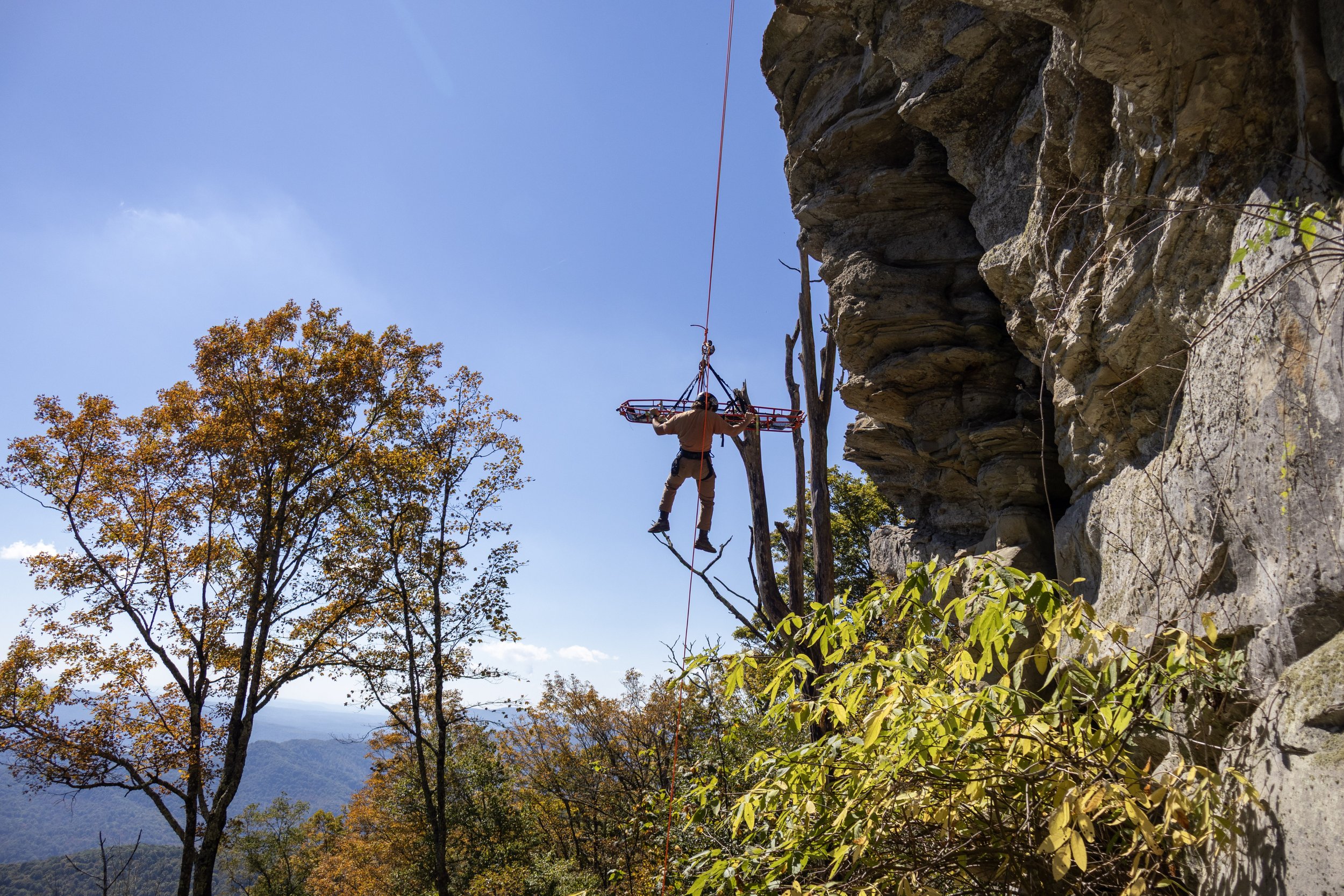
Training increasingly focuses on combining these individual skills into realistic field scenarios.
Rather than simply learning how to build a rope system or package a patient, crews must be able to locate an incident, determine an extraction strategy, move equipment through difficult terrain, establish rescue systems, package the patient, and complete the extraction as a coordinated team.
That is the environment our personnel are preparing to operate in.
Building Toward 2027
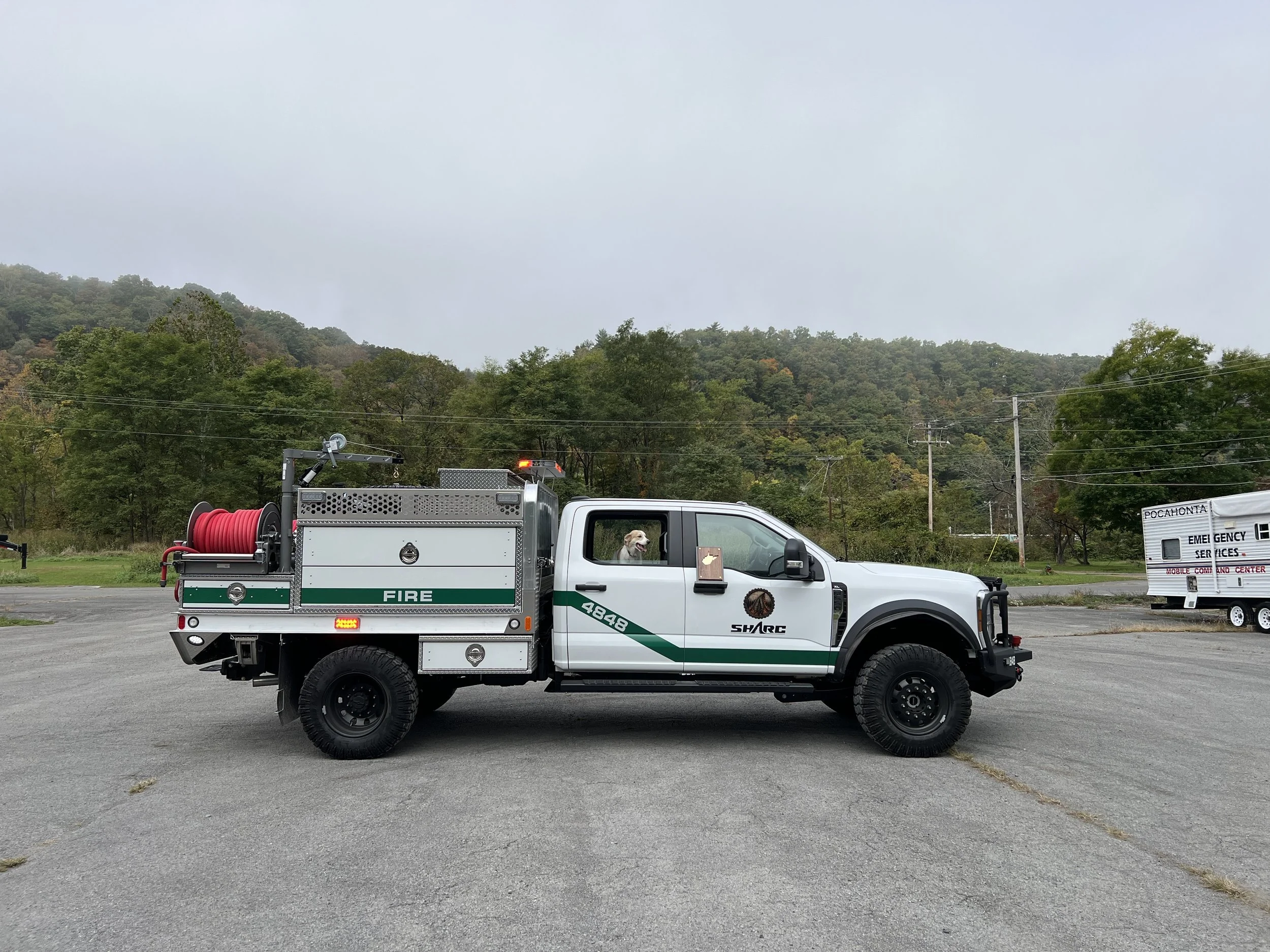
Engine 4848 has arrived!
Much of the work completed during 2026 has also been preparation for the next phase of SHARC FIRE/REMS.
In 2027, SHARC will bring a dedicated Type 6 wildland fire engine into service. Combined with our handcrew, REMS capabilities, UTV access, technical rescue equipment, and growing network of agency partners, the engine will significantly expand the resources SHARC can provide both locally and during regional and national wildfire incidents.
The long-term goal is straightforward: build a highly capable backcountry workforce that can move between wildfire response, prescribed fire, fuels management, technical rescue, and public-land stewardship while keeping those skills and resources based here in West Virginia.
National deployments help support that model while giving our personnel experience that would be difficult to replicate through training alone. Most importantly, those resources come home.
The result is a stronger workforce and a greater emergency-response capability for the communities and public lands of the Snowshoe Highlands.
One Crew, One Landscape
SHARC began by addressing a fundamental challenge facing our region: maintaining access to an enormous network of public lands with a limited workforce.
As the program has grown, we have found that many of the challenges facing trails, wildfire, and backcountry emergency response overlap.
A maintained trail can be recreation infrastructure one day and an emergency access route the next. A trail worker can become a wildland firefighter. A firefighter trained in technical rescue can become part of the solution when someone is injured miles from the nearest road.
That is the workforce SHARC is working to build.
As we close out the 2026 season and prepare for an even larger 2027, we want to thank the agencies, organizations, businesses, communities, and individuals who continue to support SHARC and the people doing this work.